




IVF embryo transfers is one of the most important steps in the process of in vitro fertilization (IVF). An embryo transfer is the moment when a carefully developed embryo is placed into the uterus to help start a pregnancy.
For many couples and individuals, an IVF embryo transfer represents the culmination of weeks of preparation, including hormone medications, egg retrieval, fertilization, and embryo development.
In this complete guide to IVF embryo transfers in 2026, we explain everything you need to know about the IVF-ET process.
By learning more about embryo transfer and how IVF embryo transfers work, you can feel informed and empowered as you move closer to parenthood.
What Is an Embryo Transfer?
An embryo transfer is a critical stage of the IVF-ET process, during which an embryo created through IVF is carefully placed into the uterus to achieve pregnancy.
In an IVF embryo transfer, fertilization occurs in a laboratory, where an egg and sperm combine to form an embryo. Once the embryo reaches the appropriate stage of development, it is ready for transfer.
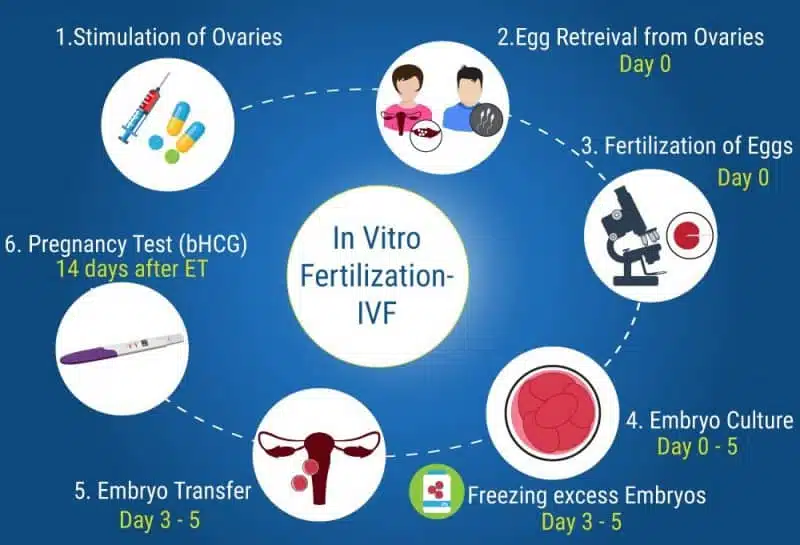
The goal of an IVF embryo transfer is implantation—when the embryo attaches to the uterine lining and begins developing into a pregnancy. The procedure is typically quick, painless, and performed in a fertility clinic.
A thin catheter is used to gently place the embryo into the uterus, often under ultrasound guidance to ensure optimal positioning. Before the embryo transfer, doctors evaluate uterine lining thickness and hormonal readiness to maximize success.
Before the transfer, doctors will assess the thickness and condition of the uterine lining to make sure it’s ready to support the embryo. Medications are often given to prepare the uterus or to synchronize the timing of the transfer with the development of the embryo.
After the transfer, you will be advised to rest and follow specific instructions to support implantation. Embryo transfer is a critical step in IVF and can bring you closer to your goal of starting or growing your family.
For a deeper explanation, see our detailed guide: What Is an Embryo Transfer? and Embryo Freezing in Iran.
Types of Embryo Transfers
There are several types of IVF embryo transfers, each chosen based on medical needs, embryo development, and patient health during the IVF-ET process. Factors such as Embryo grading and embryo development stage play an important role in deciding the best transfer method.
Below are the main types of embryo transfers:
Fresh Embryo Transfer
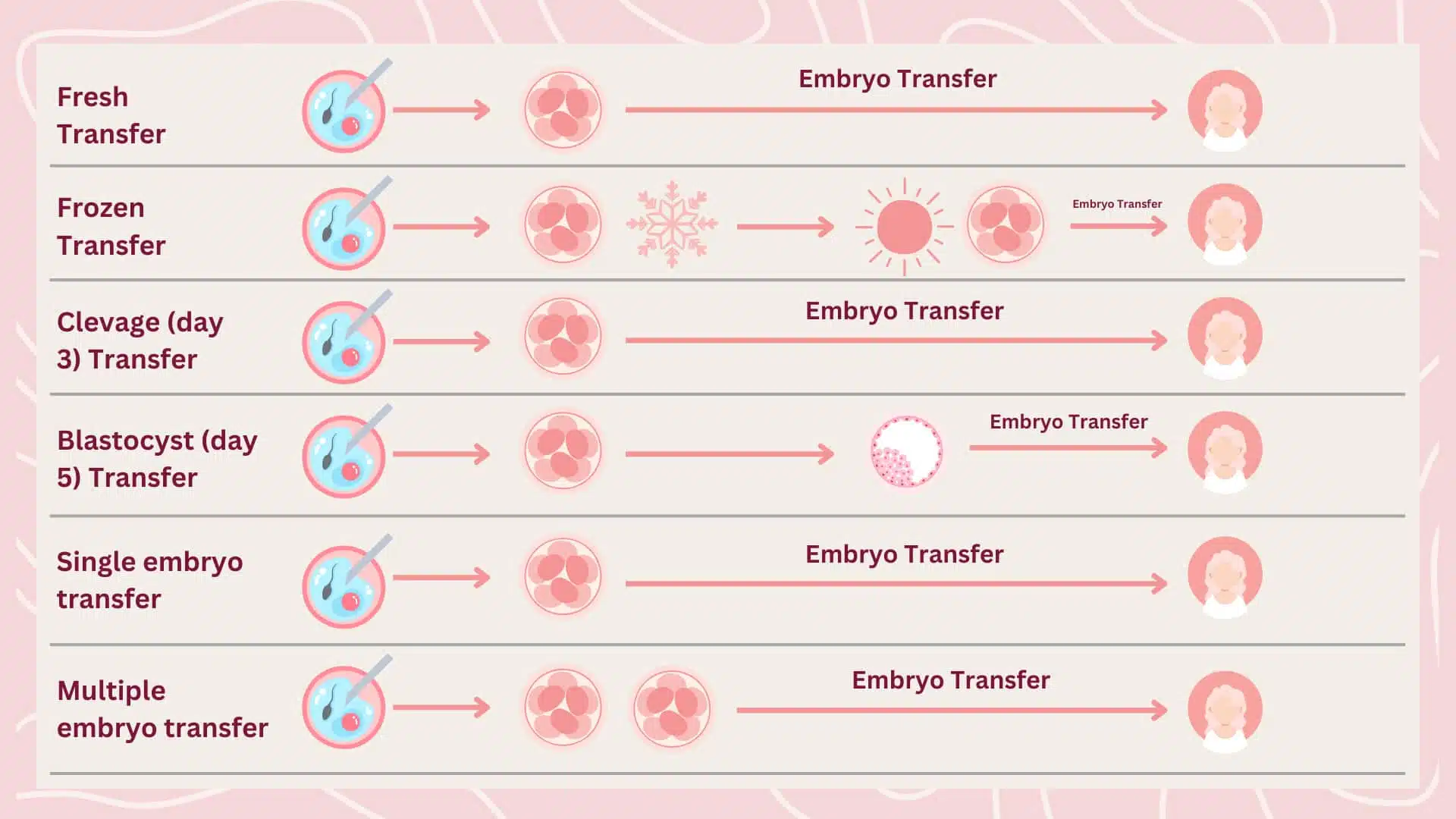
A fresh IVF embryo transfer occurs shortly after fertilization, usually 2–5 days after egg retrieval. This option is chosen when hormone levels and uterine conditions are ideal.
Fresh transfers are usually chosen when the patient’s body is well-prepared and the uterine lining is ready for implantation.
However, if the patient experiences high hormone levels or other complications, a fresh transfer might be postponed.
To understand how fresh transfers compare with frozen ones, read fresh vs frozen embryo transfer.
Frozen Embryo Transfer (FET)
In a frozen embryo transfer, embryos are cryopreserved and transferred later when the uterus is optimally prepared. FET has become a cornerstone of modern IVF embryo transfers due to flexibility and high success rates.
FETs are increasingly popular because modern freezing techniques, like vitrification, preserve the embryo’s quality and lead to high success rates. To learn more about frozen embryos, read our article: Fresh vs. Frozen Embryo Transfer.
Blastocyst Transfer
A blastocyst is an embryo that has developed for about 5 to 6 days after fertilization. This type of transfer is often chosen because a blastocyst is more mature and has a higher chance of implantation compared to earlier-stage embryos.
Blastocyst transfers allow doctors to select embryos that show strong development, increasing the likelihood of a successful pregnancy.
Day-3 Embryo Transfer
In some cases, an embryo transfer is performed on day 3. While less common today, it remains part of the IVF-ET process for specific patients. This method is usually considered when there are fewer embryos available, and it allows the uterus to nurture the embryo sooner.
While day-3 transfers can still lead to successful pregnancies, they are less common now due to the preference for blastocyst transfers.
Assisted Hatching Transfer
In some cases, the embryo’s outer layer, called the zona pellucida, may be thick or tough, making it harder for the embryo to implant.
Assisted hatching is a technique used to gently thin or break this layer before the embryo is transferred. This advanced IVF embryo transfer technique helps embryos implant by thinning the outer shell before transfer.
Each type of embryo transfer is carefully selected to improve outcomes during the IVF-ET process. Choosing the right method can significantly impact the success of your IVF journey. Your doctor will guide you in selecting the best option based on your medical history and treatment goals.
Multiple vs. Single Embryo Transfer
In a treatment cycle, single embryo transfer refers to putting one embryo within the womb. This may be referred to as elective single embryo transfer when a high-quality embryo is available and the decision is made consciously.
Multiple embryo transfer refers to the placement of two or, in rare cases, three embryos in a single cycle.
While the likelihood of twins or triplets is significantly reduced, single embryo transfers can, under the correct conditions, achieve pregnancy and live birth rates that are equivalent to those of transferring two embryos throughout a treatment pathway.
One of the most crucial choices in an IVF cycle is whether to transfer a single embryo or multiple. Transferring two embryos to increase the chance of success can seem alluring, but the truth is more nuanced.
Aiming for one healthy baby at a time is the safest and, often, most successful strategy. For this reason, in most cases, single embryo transfer is advised by numerous clinics.
Benefits and Risks of Embryo Transfers
Embryo transfers offer numerous benefits for individuals and couples undergoing fertility treatments. However, like any medical procedure, they also come with certain risks. Understanding these advantages and challenges can help you make informed decisions about your IVF journey.
Benefits of Embryo Transfers
- Precise Timing for Pregnancy: Embryo transfers allow doctors to carefully time implantation, increasing the chances of a successful pregnancy. With methods like frozen embryo transfers (FET), the uterus can be optimally prepared for implantation.
- Higher Success Rates with Advanced Techniques: Modern IVF techniques, including blastocyst transfers and genetic testing (such as PGT-A), improve the chances of selecting healthy embryos and achieving pregnancy.
- Customizable Treatment Plans: Embryo transfers offer flexibility, as they can be adapted to individual needs. For example, patients can choose between fresh or frozen transfers based on their physical condition and treatment goals.
- Opportunities for Multiple Attempts: With frozen embryos stored from the same IVF cycle, patients have multiple opportunities for pregnancy without repeating egg retrieval, making the process less physically and emotionally taxing.
Risks of Embryo Transfers
- Failed Implantation: Despite careful preparation, not all embryo transfers result in successful implantation. Factors like embryo quality, uterine health, and unexplained conditions can influence the outcome.
- Multiple Pregnancies: Transferring multiple embryos increases the chance of twins or higher-order multiples. While this can be desirable for some, it also carries higher risks for both the mother and babies, such as premature birth or complications during pregnancy.
- Ectopic Pregnancy: In rare cases, the embryo may implant outside the uterus, such as in the fallopian tube, leading to an ectopic pregnancy. This condition requires immediate medical attention.
- Emotional and Financial Stress: IVF and embryo transfers can be emotionally and financially demanding, especially if multiple attempts are required. The uncertainty of outcomes can be challenging for many patients.
- Possible Side Effects from Medications: Hormonal medications used to prepare the uterus may cause mild side effects like bloating, headaches, or mood changes. In rare cases, they could lead to more serious conditions like ovarian hyperstimulation syndrome (OHSS).
By understanding both the benefits and risks, you can approach your embryo transfer with realistic expectations and confidence. Open communication with your medical team ensures that you receive the best care and guidance tailored to your unique situation.
If you have any questions or need expert guidance for your IVF journey, TebMedTourism is here to help. Our experienced fertility specialists provide personalized care and support at every step. Contact us today for a free consultation.

How To Prepare for Your Embryo Transfer
Preparation is essential for success. Along with medical instructions, nutrition plays a vital role. Following a balanced IVF diet and a specific embryo transfer diet can support hormonal balance and uterine health. Here are the steps to help you prepare effectively:
- Follow Your Doctor’s Instructions: Your fertility specialist will provide a detailed treatment plan tailored to your needs. This may include taking prescribed medications, such as estrogen and progesterone, to prepare the uterine lining for implantation. It’s important to follow the medication schedule carefully and attend all monitoring appointments to ensure your body is ready for the transfer.
- Focus on a Healthy Lifestyle: Maintaining a healthy lifestyle can improve the chances of success. Eat a balanced diet rich in fruits, vegetables, lean proteins, and whole grains to support your overall health. Avoid alcohol, smoking, and excessive caffeine, as these can affect fertility. Staying hydrated and engaging in light physical activity, like walking or yoga, can also promote a healthy body.
- Manage Stress: Stress can affect your body’s hormonal balance, which is important for embryo implantation. Practice relaxation techniques such as deep breathing, meditation, or mindfulness. If you feel overwhelmed, consider talking to a counselor or joining a support group for people going through IVF.
- Plan Your Day Around the Transfer: On the day of the embryo transfer, wear comfortable clothes and plan for a stress-free day. Arrange transportation to and from the clinic if needed and avoid scheduling any major commitments after the procedure. Doctors usually recommend resting for a short period after the transfer to allow your body to relax.
- Avoid Certain Activities: In the days leading up to the transfer, avoid activities that could strain your body, such as heavy lifting or intense exercise. Your doctor may also advise against using certain medications, herbal supplements, or any products that could interfere with the procedure.
- Prepare Emotionally: Embryo transfer is a significant step in your IVF journey, and it’s normal to feel a mix of emotions. Try to stay positive and focus on the things you can control. Talking to loved ones or your medical team can help ease any concerns and provide emotional support.
If you follow these steps carefully, you can ensure that your body and mind are ready for your embryo transfer. Proper preparation can make a big difference and help you feel confident and hopeful during this important stage of your IVF treatment.
The Embryo Transfer Procedure
Embryo transfer is a straightforward and minimally invasive procedure, yet it is a crucial step in your IVF journey. Below, we break it down into three main parts to help you understand what happens before, during, and after the transfer.
Preparation Before the Transfer
Before the embryo transfer, your doctor will ensure that your body is ready to receive the embryo. This involves:
- Monitoring the Uterine Lining: Using ultrasound, your doctor will check the thickness and quality of the uterine lining to ensure it’s optimal for implantation. Medications like estrogen and progesterone may be prescribed to prepare the lining.
- Thawing Frozen Embryos (if applicable): If you are undergoing a frozen embryo transfer (FET), the embryos will be thawed in the laboratory under highly controlled conditions. Modern freezing techniques ensure that embryos maintain their quality after thawing.
- Pre-Transfer Instructions: You might be asked to arrive with a full bladder, as it helps the ultrasound guide the procedure. Your doctor will also provide specific instructions, such as avoiding heavy meals or certain medications.
The Transfer Process
The actual embryo transfer procedure is quick and painless, typically taking less than 20 minutes. Here’s what happens step by step:
- Positioning: You will lie down on a procedure table, and your doctor will use a speculum to gently open the vaginal canal for access to the cervix.
- Preparing the Embryo: The selected embryo(s) will be carefully loaded into a thin, soft catheter in the lab. If ultrasound guidance is used, the doctor will confirm the placement location in the uterus.
- Inserting the Embryo: The catheter is guided through the cervix into the uterus. The embryo is gently deposited into the uterine cavity, aiming for the area with the highest chance of implantation.
- Final Check: The catheter is then carefully removed, and the doctor will inspect it to confirm that the embryo was successfully transferred. You will be asked to rest for a short time after the procedure before being discharged. Most patients can return to their normal activities within 24 hours.
To take a pregnancy test, you should wait two weeks after the embryo transfer.
What to Expect After Your Embryo Transfer?
After the procedure, your body begins the critical process of trying to implant the embryo into the uterine lining. Here’s what you can expect during this period:
- Rest and Light Activities: You’ll be advised to take it easy for the first 24-48 hours. Avoid heavy lifting, strenuous exercise, or anything that may strain your body.
- Potential Symptoms: It’s normal to experience mild cramping, bloating, or spotting. These are common and usually nothing to worry about. Your doctor may also recommend continuing progesterone or other medications to support implantation.
- The Two-Week Wait (2WW): It’s essential to wait about two weeks before taking a pregnancy test. Testing too early may give inaccurate results, as the hormone hCG (produced during pregnancy) takes time to build up in your body. This waiting period can be emotionally challenging, but staying patient and following your doctor’s advice is crucial.
Factors Influencing Embryo Transfer Success
The success of an embryo transfer depends on a combination of medical, biological, and lifestyle factors. Understanding these elements can help you prepare better for the process and increase your chances of achieving a successful pregnancy. Here are the key factors that influence the outcome of an embryo transfer:
Embryo Quality
The quality of the embryo is one of the strongest indicators of success. Embryos that reach the blastocyst stage (5-6 days after fertilization) are more likely to implant because they are more developed and robust.
Additionally, embryos that have been tested for chromosomal abnormalities using techniques like Preimplantation Genetic Testing (PGT) have a higher chance of leading to a healthy pregnancy. This ensures only the healthiest embryos are selected for transfer.
Uterine and Endometrial Receptivity
The uterine lining (endometrium) must be prepared to support implantation. A lining thickness of 7–10 mm is considered ideal, as it provides a nurturing environment for the embryo.
Equally important is the timing of the transfer, which should coincide with the “implantation window”—the period when the uterus is most receptive. Tests like the Endometrial Receptivity Analysis (ERA) can help identify this window, improving the chances of success.
Patient’s Age and Health
Age plays a significant role in IVF success. Women under 35 typically have better egg quality, resulting in higher-quality embryos and better implantation rates. For older women, egg or embryo donation can improve outcomes.
A healthy lifestyle—avoiding smoking, alcohol, and excessive caffeine—also boosts fertility. Additionally, maintaining emotional well-being and managing stress can positively influence hormonal balance and overall reproductive health.
Fresh vs. Frozen Embryo Transfer Success Rates
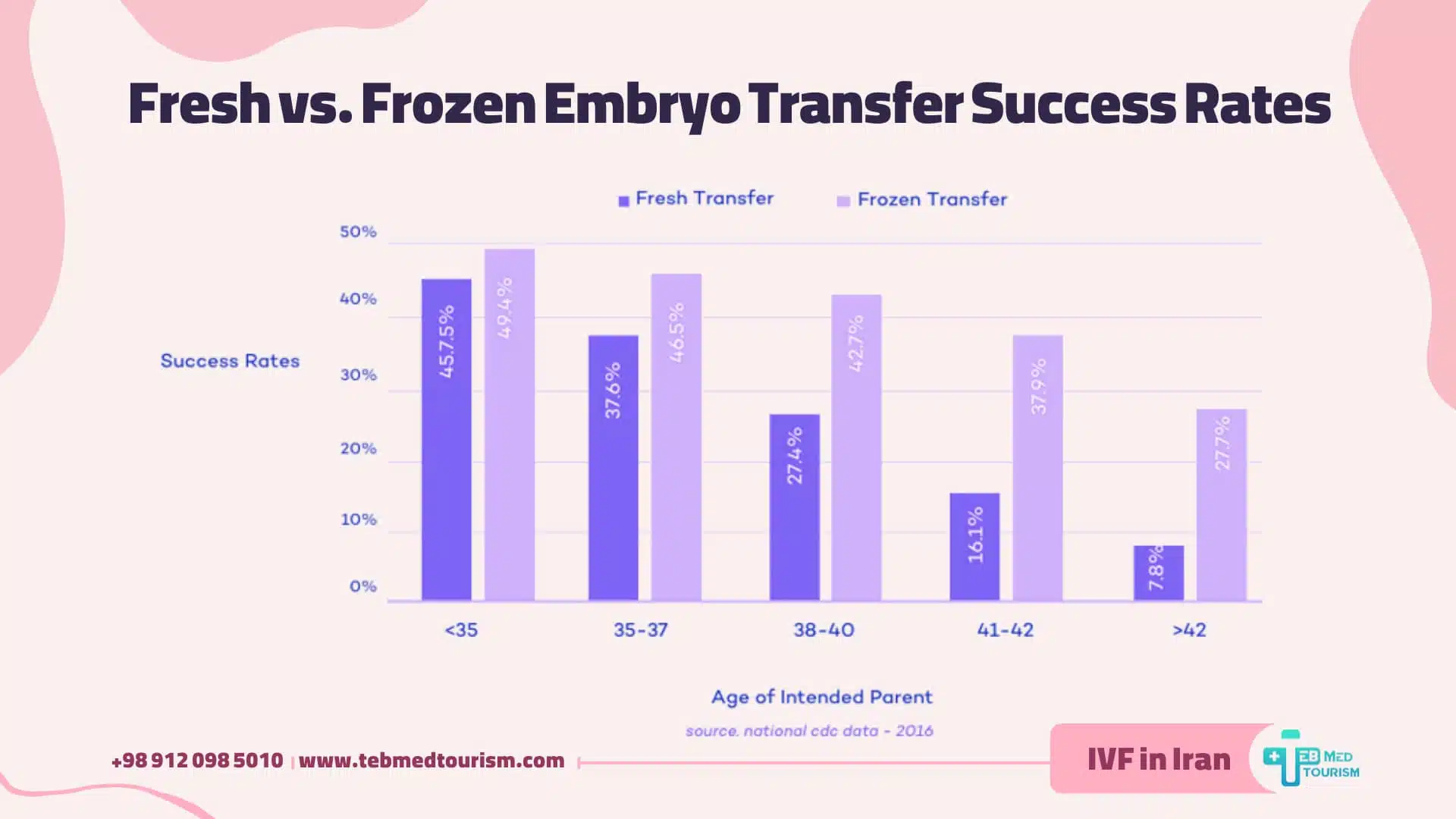
The choice between fresh and frozen embryo transfers significantly affects success rates in IVF. Fresh transfers occur shortly after fertilization, typically 2 to 5 days later, while frozen embryo transfers (FETs) involve thawing and transferring embryos at a later, more optimal time.
Advancements in freezing techniques, like vitrification, have made FETs a highly reliable option, particularly for certain groups of patients.
Frozen transfers are especially beneficial for individuals using their own eggs. This is because freezing allows time for the body to recover after the Egg Retrieval Process, ensuring the uterine lining is well-prepared for implantation. It also helps synchronize the embryo’s developmental stage with the uterine environment, leading to higher success rates in many cases.
However, for patients using donor eggs or surrogacy, fresh embryo transfers are often preferred. With egg donation, fresh transfers eliminate the need for freezing and thawing, ensuring the embryo is transferred immediately, which can optimize the implantation process.
Similarly, in surrogacy cases, fresh transfers often align better with the surrogate’s prepared uterine lining, increasing the likelihood of a successful pregnancy.
While FETs are becoming increasingly popular due to their flexibility and high success rates, fresh transfers remain a strong option, particularly for egg donation or surrogacy treatments. Your fertility specialist can guide you in selecting the best approach based on your specific circumstances.
How Much Does an Embryo Transfer Cost?
The cost of an embryo transfer can vary depending on several factors, including the type of transfer (fresh or frozen), the clinic, and the country where you are receiving treatment. Generally, the cost of a single embryo transfer ranges from $2,000 to $5,000, but this is often part of a larger IVF package that includes other services such as egg retrieval, fertilization, and embryo freezing.
In most clinics, the cost for a fresh embryo transfer is included in the overall IVF treatment package. However, frozen embryo transfers (FETs) may have additional costs, such as fees for freezing, storage, and thawing the embryos. These extra charges typically range from $1,500 to $4,000, depending on the clinic and the freezing method used.
Other factors that can influence the cost include optional services like assisted hatching or genetic testing (PGT), which can increase the price of the overall treatment. It’s essential to discuss all costs upfront with your clinic to understand what is included and if there are additional charges.
At TebMedTourism, we make fertility treatments affordable and transparent. If your first embryo transfer, which is already included in our IVF packages, does not lead to pregnancy, you will not have to pay for it separately.
For patients with frozen embryos or those who transfer embryos from abroad to Iran and choose TebMedTourism for their transfer, the cost is approximately $1,500 to $2,000. This includes expert care and state-of-the-art facilities to maximize your chances of success. Contact us today for a free consultation!
Why Intended Parents Turn to Embryo Transfers?
Embryo transfers have become a cornerstone of assisted reproductive technology, offering intended parents a highly effective way to achieve pregnancy. Couples and individuals turn to embryo transfers for various reasons, often depending on their medical, personal, and fertility challenges.
For many, embryo transfers provide hope when natural conception is not possible due to infertility. This could be caused by factors such as advanced maternal age, diminished ovarian reserve, or male infertility issues. The process allows fertilization to occur outside the body, ensuring that a healthy embryo is selected for transfer, which increases the chances of a successful pregnancy.
Intended parents using donor eggs, sperm, or embryos also benefit from embryo transfers. This approach is especially valuable for those with genetic conditions they wish to avoid passing on to their child. In such cases, the embryo can be created using donor gametes, and preimplantation genetic testing (PGT) can be performed to ensure the embryo’s health.
For same-sex couples and single individuals, embryo transfers open doors to parenthood. In these cases, a surrogate may carry the pregnancy, with the embryo created using donor eggs or sperm. The flexibility and success of embryo transfers make them an attractive option for intended parents from all walks of life.
Embryo transfers offer hope, flexibility, and advanced medical support, helping intended parents overcome fertility challenges and fulfill their dreams of growing their family.
Embryo Transfers Are Just One Part of Your Family’s Journey
An embryo transfer is a significant milestone in your fertility journey, but it’s just one piece of the puzzle in creating or growing your family. From understanding your fertility options to undergoing medical treatments and emotional preparation, the path to parenthood involves multiple steps, each playing an important role.
For many, the journey starts with a fertility evaluation to determine the best approach, whether it’s IVF, egg or sperm donation, or surrogacy. These early steps lay the foundation for the embryo transfer, ensuring that the body and mind are ready for this critical moment. Along the way, you’ll work closely with fertility specialists, who guide and support you to make the process as smooth and successful as possible.
After an embryo transfer, the journey continues with the hopeful wait for implantation and a positive pregnancy result. If the transfer is successful, you’ll move into the next phase of your family journey—prenatal care and planning for the arrival of your baby.
However, even if the transfer isn’t successful, it’s important to remember that there are still many options, such as frozen embryo transfers or trying a new cycle, to help you achieve your dream.
At TebMedTourism, we offer a wide range of fertility treatments, including IVF in Iran, egg donation in Iran, surrogacy in iran, and gender selection in Iran.
Every step of your treatment is carefully planned and tailored to meet your unique needs, ensuring the best possible outcomes. Our team includes some of the best fertility specialists and embryologists, as well as compassionate staff dedicated to supporting you throughout your journey. Contact us today for a free consultation and expert guidance on your IVF embryo transfer journey.