


itIVF in Iran and travelling to this country for infertility treatment has become a good solution for many couples who suffer from infertility and look for a destination where they can fulfill their parenthood dreams.
Infertility treatment in Iran is becoming more and more popular, whether you’re looking for a more reliable and cost-effective choice or your previous attempts in your home country or elsewhere didn’t work out. IVF in Iran has become well-known for its excellent quality and reasonable cost.
We’ll cover all you need to know in this article, from the exact factors you should take into account to the reasons Iran is quickly rising to the top of the IVF rankings.
What is IVF?
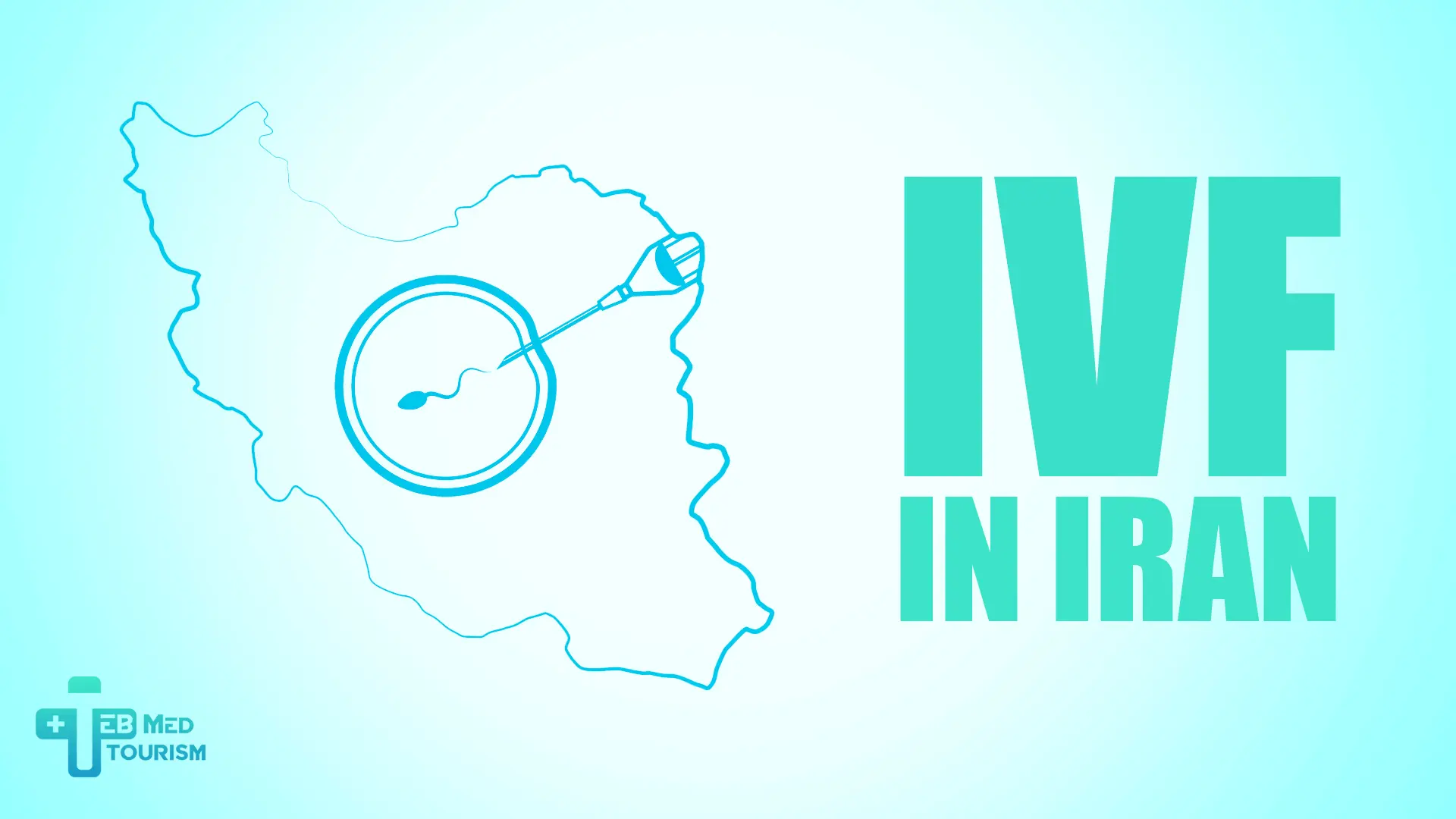
Before examining IVF in Iran, let’s discuss what IVF is. An egg and sperm are fertilized outside of the human body using an assisted reproductive technology (ART) called in vitro fertilization (IVF). Eggs are physically extracted from ovaries and combined with sperm in a laboratory for fertilization in the intricate process of in vitro fertilization (IVF).
After a few days, the fertilized egg—now known as an embryo—is inserted into the uterus. This embryo attaches to the uterine wall to cause pregnancy. About 5% of infertile couples decide to try IVF. IVF has produced over 8 million babies since 1978. It is among the best ARTs (assisted reproductive technologies) out there.
Couples often begin their IVF journey after other fertility methods have failed, as this process offers one of the most advanced ways to overcome infertility while respecting ethical and medical standards, especially when guided by principles such as IVF in Islam, which permits assisted reproduction within marriage.
How Is IVF Done?
Controlled ovarian stimulation, egg collection, natural or ICSI fertilization, embryo growth and grading, and the successful transfer of the best-quality embryo or embryos to produce pregnancy are all steps in the IVF procedure. In the following, we will describe the process of IVF in Iran and all over the world step-by-step, which follows a typical IVF cycle timeline:
1. Ovarian Stimulation
In this step, hormone injections stimulate the ovaries to produce multiple eggs. Then the growth is monitored by ultrasounds and blood tests. When ready, a trigger injection (hCG or GnRH agonist) induces final egg maturation. After about 34–36 hours, egg retrieval occurs.
2. Egg Retrieval
The second step in performing IVF in Iran and other parts of the world is egg retrieval. They do egg retrieval under light sedation using ultrasound-guided aspiration so that the eggs are collected from follicles and placed in a culture medium for incubation.
3. Fertilization & Embryo Culture
Standard insemination or ICSI (sperm injected directly) is used for fertilization. Then the fertilization is checked after 16–18 hours. Embryos grow for 3–7 days and reach the blastocyst stage (day 5–7). This blastocyst culture helps select embryos with the highest potential for implantation.
4. Embryo Development & Quality Assessment
On day 3 embryos that are 4–8 cells are graded by symmetry and fragmentation (Grade 1–4). On days 5–7 blastocysts have 100–200 cells and are graded through Expansion (1–6), Inner Cell Mass (ICM): A–C, and Trophectoderm (TE): A–C; for example, 4AA = high-quality blastocyst. Grading shows the developmental potential but doesn’t guarantee pregnancy, as some cases might face IVF failure even after good grading due to other biological factors.
5. Embryo Transfer
The final step in performing IVF in Iran, as in other countries, is embryo transfer. Embryo transfer is done on day 3 or day 5 by using a soft catheter under ultrasound guidance. In this step no anesthesia is required because it’s a quick outpatient procedure. The number of embryos that are transferred depends on quality, patient age, and ASRM guidelines to minimize multiple pregnancies.

Why Is Iran a Good Destination for IVF?
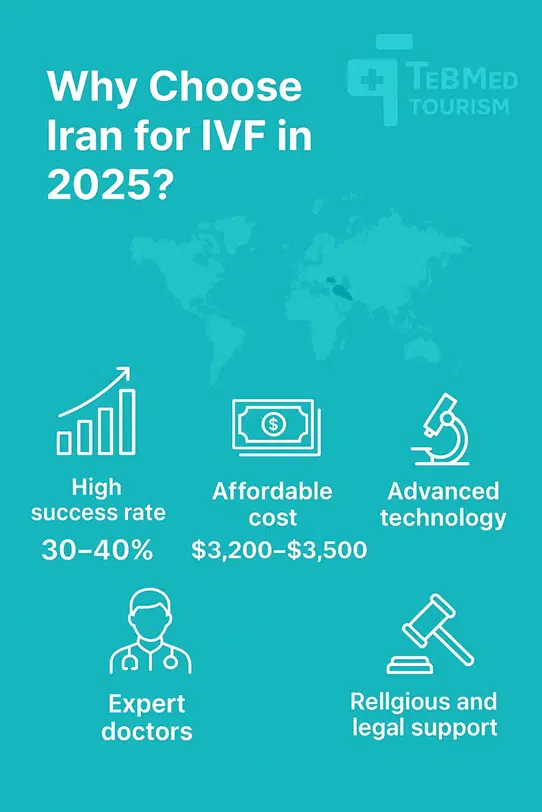
IVF in Iran offers several benefits, including low treatment costs, well-equipped IVF centers and fertility clinics, skilled doctors, a high success rate, and contemporary assisted reproductive technologies such as surrogacy, PGS (genetic screening), PGD (sex selection), and egg, sperm, and embryo donation.
These features have turned Iran into a leader in fertility treatment and an example of the best IVF protocol for patients worldwide, particularly in Muslim countries where IVF in Islam is practiced within religious guidelines.
We work to make your dreams come to reality. We are confident that our extensive experience and knowledge will provide you with the resources necessary to start your own family. TebMedTourism company values your trust and confidence in our services. You can read our clients’ experiences to know our family better. For a personal free consultation with a doctor, contact us on WhatsApp.
IVF Success Rate in Iran
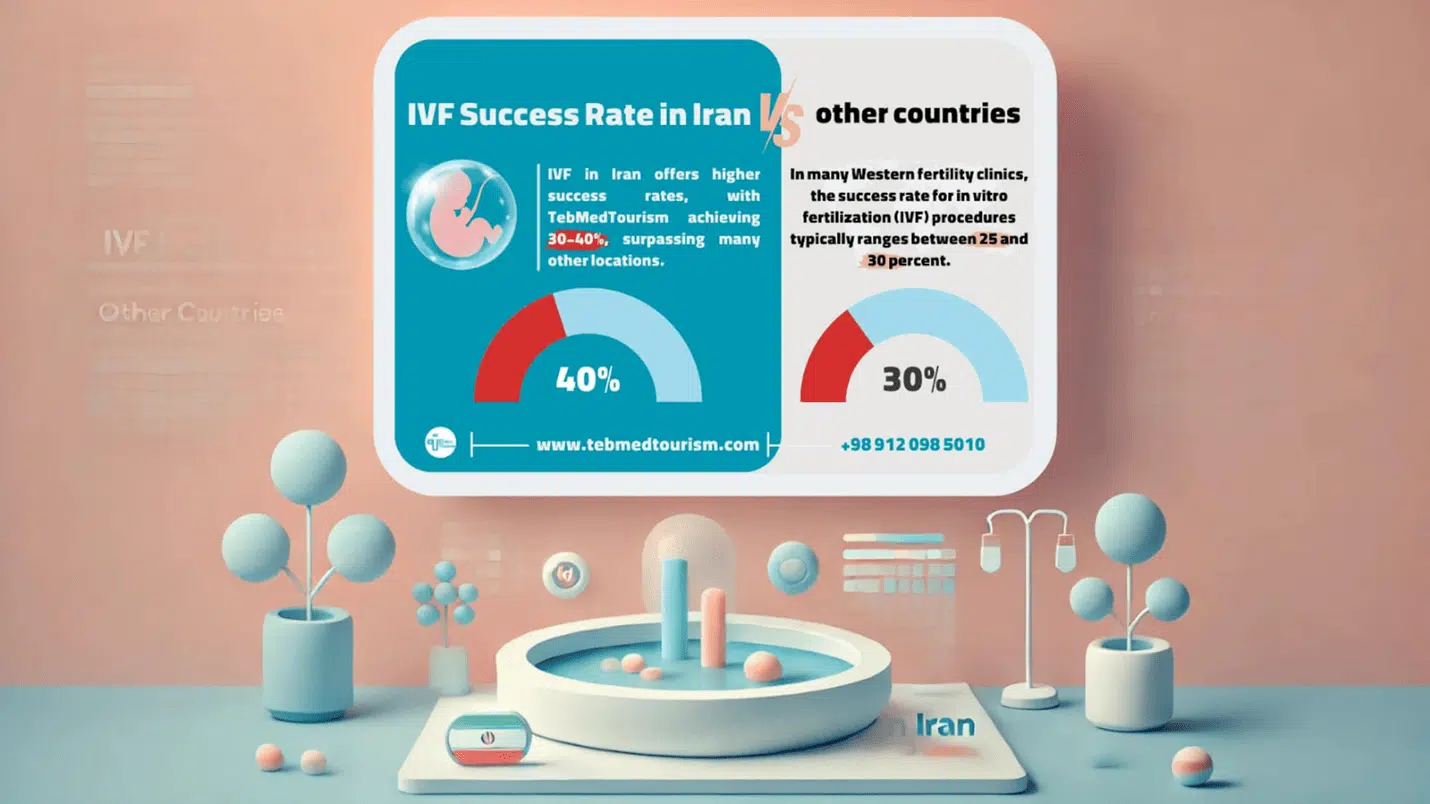
Infertility treatment in Iran is being considered and welcomed by people from other countries due to its high success rate and high-quality services. The quality of the eggs and sperm, the woman’s age, hormone levels, and general health are some of the numerous variables that affect the effectiveness of IVF in Iran. The effectiveness of IVF treatment and the chances of successful IVF can be impacted by these factors.
IVF success rates in many Western fertility clinics range from 25 to 30 percent. Nonetheless, there are a few benefits of IVF in Iran that may raise success rates. Success rates have risen to 30 to 40 percent at TebMedTourism, which is greater than in many other places.
This improvement is possible because IVF treatment in Iran benefits from skilled fertility specialists, advanced IVF techniques, and high-quality medical facilities. In order to develop a customized treatment plan that optimizes the likelihood of success, our specialists take the time to learn about each patient’s specific requirements.
To further improve the chances of a healthy pregnancy, our clinics also provide extra services like genetic testing, sperm and egg donation, and the newest technology.
Ideal Candidates for Doing IVF in Iran
Although the majority of Iran’s thousands of IVF procedures are successful each year, in order to get the best results, IVF candidates need to have a few essential criteria. IVF can generally be used for the following:
- Women under 35,
- Individuals leading a healthy lifestyle,
- Women with fallopian tube blockage,
- Women with PCOS,
- Women with severe endometriosis,
- Men with low sperm motility and count
Remember that IVF in Iran is not suitable for certain patients, despite the fact that many patients are happy with their results. IVF is not recommended for people with fibroid tumors, high blood pressure, ovarian dysfunction, hormonal imbalance, or uterine abnormalities because these patients have a lesser likelihood of success.
Benefits of IVF in Iran
IVF in Iran has many benefits and makes it a great choice for couples looking for fertility treatment.
Not only is IVF supported by law, but it also has religious backing, which is something you don’t find in many countries. This makes the process smoother and more reliable for couples, as they can trust that the treatment is fully backed.
You might find IVF in other countries at a lower price, but the quality of treatment may not be as high as in Iran. When you compare the cost to the quality of care, Iran stands out as one of the best options. The success rate is also high, which means you get great value for the price.
Many couples need more than just IVF. They may also need services like egg donation, gender selection in iran, stem cell therapy, TESE, PGS/NGS, PRP, Polypectomy, Myomectomy, or even surrogacy. Iran offers all these services, which means you can get everything you need in one place.
Iran is a great destination for IVF and other reproductive operations because of all these factors. In addition to all the other services you might require, our country offers excellent healthcare at reasonable costs.
What are the Main Causes of IVF Failure?
In vitro fertilization, or IVF, is regarded as one of the most effective methods of treating infertility. Even if you look for the topclinics of IVF in iran or in your area, none of them can guarantee that the procedure will be 100% successful. Some IVF patients may experience failure on their first attempt for a variety of reasons.
IVF may be disastrous because of early failures, even though it is thought to be the best for some. These following guidelines could also help you make wise choices that will increase your chances of getting pregnant with IVF.
Some of the main causes of IVF treatment failure are listed below.
Advanced Maternal Age
One of the main causes of IVF treatment failures is advanced age. As women age, they appear to produce fewer healthy eggs, which lowers the likelihood of a successful pregnancy.
Poor Sperm Quality
Low sperm quality can lead IVF in Iran and other countries around the world to fail. An improved fertilization process that results in a healthy embryo can be facilitated by a healthy sperm.
Males with azoospermia, however, may have less and lower-quality sperm, which may have a direct impact on the success of IVF. The likelihood of creating an embryo with chromosomal abnormalities is increased by poor sperm. Miscarriages and unsuccessful implantation are possible outcomes of these embryos.
Poor Egg Quality
A healthy fetus depends on the quality of the egg. The quantity and quality of oocytes are most impacted at an older age, and there is a higher chance of IVF failure. For IVF to be successful, the woman’s age is therefore critical.
The implantation rate for women under 35 is approximately 45%, whereas the success rate for women between the ages of 40 and 42 who use their own eggs for IVF therapy is barely 15%.
However, the chances of success are nearly identical for women over 35 who use the eggs of young donors. Therefore, it may be concluded that the age of the egg is more crucial to the success of IVF than the age of the mother.
Implantation Failure
After being transferred to the uterus, the developed embryos must be able to adhere to the inner wall of the uterus to facilitate growth in order for IVF to be successful.
Consequently, any element that interferes with the fetus’s implantation causes IVF to fail. Fetal issues or uterine abnormalities may be the cause of an unsuccessful embryo implantation, however it is impossible to pinpoint the exact cause in each instance.
More than 90% of implantation failures, according to infertility specialists, are caused by fetal development retardation and embryonic issues.
Abnormal Embryo
Some embryos may be abnormal after the fertilization procedure. Your doctor will make sure that the best embryos from the group are used during the implantation procedure. These aberrant embryos are sometimes implanted in the uterus, which can result in major pregnancy issues like poor fetus growth and, in rare instances, miscarriages.
PCOS
One of the most frequent causes of unsuccessful IVF treatments is polycystic ovarian syndrome, or PCOS. PCOD-affected women may experience hormonal abnormalities and irregular ovulation, which could significantly impact the implantation process and reduce IVF success rates. If you have PCOS prior to receiving IVF treatments, you can also speak with the consultants of TebMedTourism.
Uterine Abnormalities
The most crucial organ that guarantees the fetus’s healthy development throughout the whole pregnancy is the uterus. Fetal development may be hampered in women with uterine anomalies such fibroids, adhesions, or inadequate uterine lining. This may also be the main factor causing IVF cycles to fail.
Lifestyle
The results of IVF treatment might be significantly impacted by lifestyle choices. Some indicators of a poor lifestyle include smoking, drinking alcohol, eating an unhealthy food, and being overweight. It is well recognized that leading an unhealthy lifestyle has a detrimental impact on egg quality, which lowers the likelihood of IVF success.
Genetic Issues
In addition to raising the risk of IVF failure, patients with genetic diseases may give birth to a kid with a variety of problems. Consequently, genetic testing should be done before doing IVF. One of the main causes of miscarriages is linked to genetic abnormalities.
Medication Side Effects
Even though IVF therapy involves a number of drugs that are provided at different phases of the procedure, there may occasionally be adverse effects. Over-the-counter medicine use is also linked to serious health issues that could interfere with pregnancy.
What are IVF Risks?
All medical procedures and treatments have some risks.
Multiple Pregnancy
The risk of problems from multiple pregnancies is significantly higher and includes:
- Late miscarriage
- High blood pressure
- Diabetes
- Premature birth
Babies who are premature are more likely to experience problems, such as
- A weakened immune system
- Physical and mental disability
- Feeding and breathing problems
A triplet pregnancy entails substantially greater risks at every stage. The chance of having even one healthy child at the end of therapy is lower than that of a single pregnancy or twins.
Ovarian Hyperstimulation Syndrome (OHSS)
Some people may overreact to fertility medication because they have a lot of eggs. As a result, the ovaries enlarge and the blood’s concentration of the hormone oestrogen increases. Ovarian hyperstimulation syndrome (OHSS) is the term used to describe these conditions.
Younger people and those with polycystic ovarian syndrome—a disorder that affects how the ovaries function—are more likely to get OHSS.
OHSS cannot always be anticipated or prevented. But before you begin your daily hormone injections, we can usually determine whether you are at risk.
Pelvic Infection
After your egg collection, you may very rarely get a pelvic (lower abdomen) infection. Rarely, an abscess may form. Pus, a thick, yellow substance, is present in this painful, swollen area due to a bacterial infection.
By administering antibiotics to those who are more susceptible to infection, we attempt to prevent this. Following egg collection, less than 1 in 100 patients suffer from a pelvic infection. However, since germs are always present in the vagina, we are unable to avoid every infection.
How long does IVF in Iran take?
Depending on specific conditions and treatment guidelines, the full process of IVF in Iran often takes four to eight weeks, from the first consultation to the embryo transfer. In order to determine each partner’s reproductive status, the timeline starts with initial medical examinations, blood tests, and ultrasounds.
The ovarian stimulation phase, which involves hormone injections to promote egg growth, usually lasts 8 to 14 days after the treatment plan is established. This is followed by egg retrieval and fertilization.
The resulting embryos are cultured for three to five days before to transfer; if a frozen embryo transfer (FET) is intended, the procedure could take up to eight weeks. Other factors that could affect the duration include donor egg utilization, preimplantation genetic testing, and uterine preparation.
In general, couples traveling to Iran for IVF should expect to complete the treatment cycle in one to two months, depending on their unique situation and treatment plan.
Cost of IVF in Iran 2026
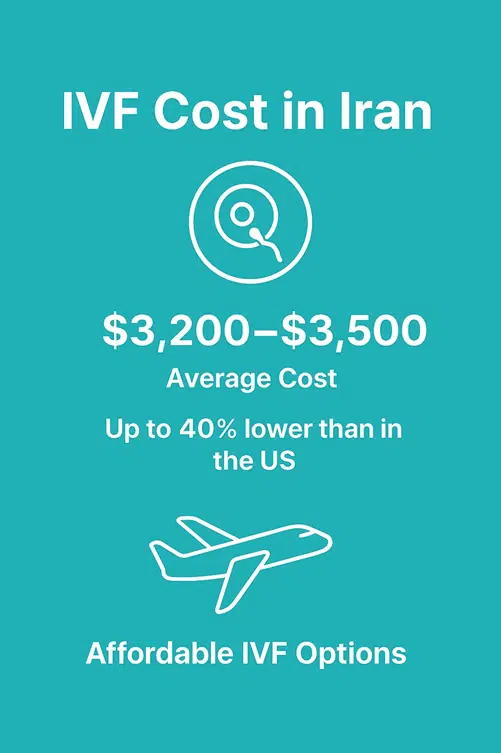
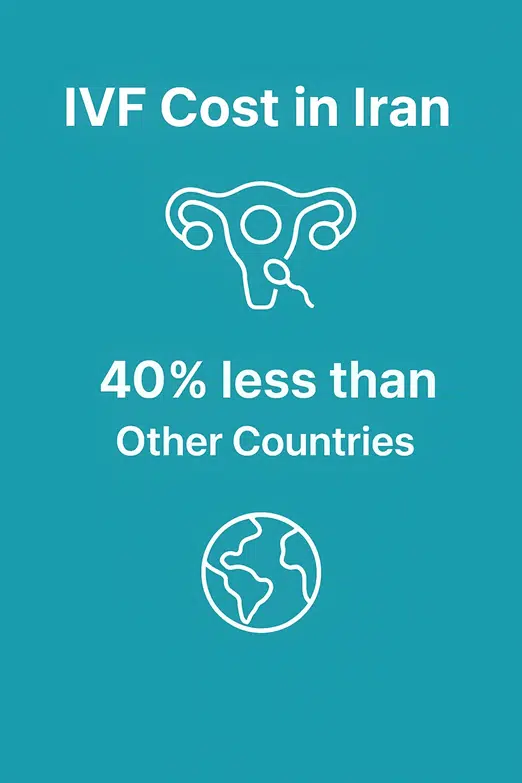
The cost of IVF in Iran is one of the most affordable worldwide. You can find the cheapest country for IVF without compromising on medical quality. At TebMedTourism, full IVF packages range from $3,200 to $3,500, covering consultations, medications, procedures, and follow-ups—a fraction of the cost compared to the US or Europe.
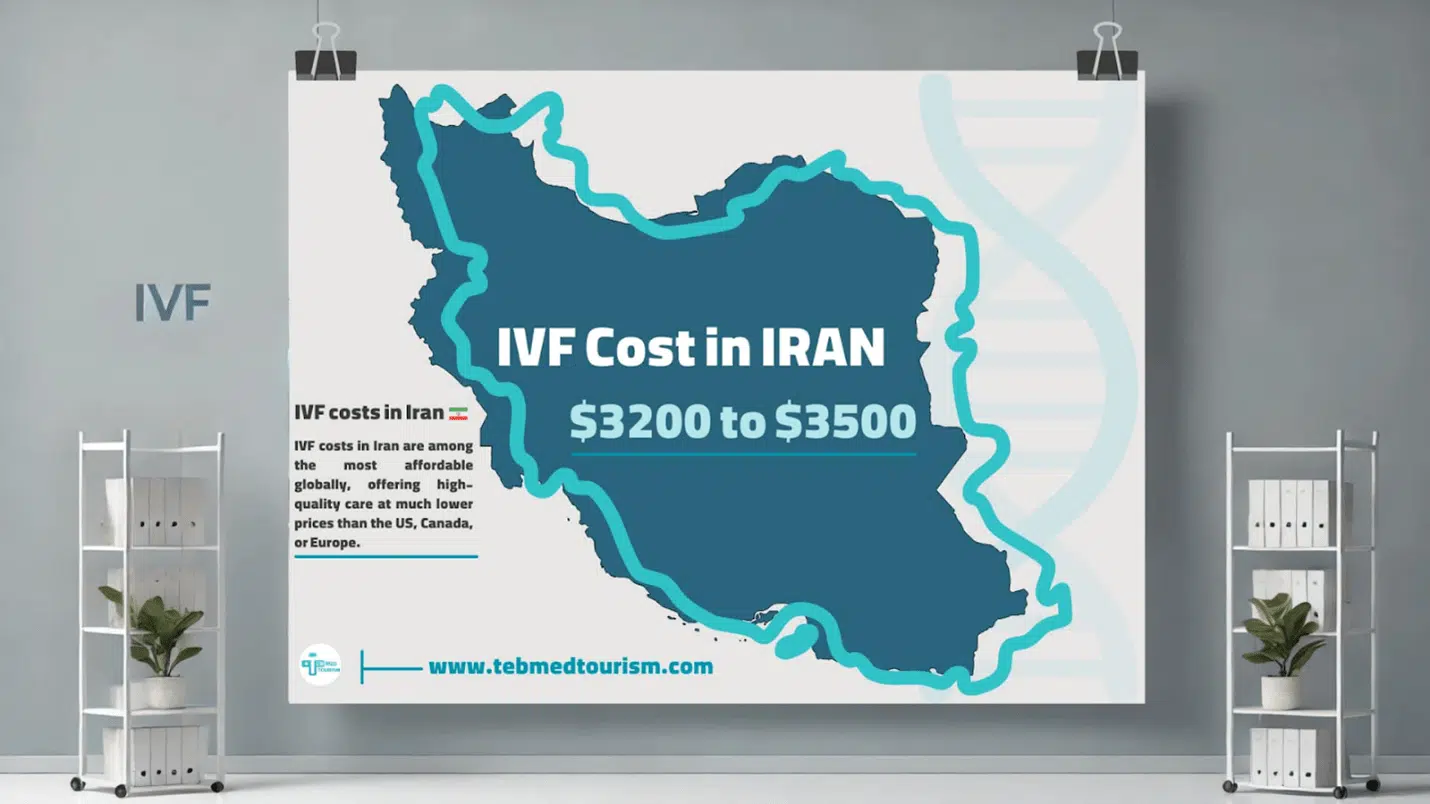
The cost of IVF in Iran is one of the most affordable in the world compared to many other countries. While prices can change depending on the clinic and treatment, Iran offers high-quality care at much lower prices than places like the US, Canada, or Europe. This is mainly because the Iranian currency is not as strong, which makes medical services much cheaper for patients coming from other countries.
On average, the cost of IVF in Iran covers everything you need, including your first consultation, tests, the IVF procedure itself, and the necessary medications—all at a much lower price than you might pay elsewhere.
Even though the cost is lower, the treatment quality is still excellent. Many clinics in Iran use the latest technology, and most doctors are highly trained, with international experience.
The Comparison of IVF Cost in Iran and Other Countries
To illustrate the cost difference, we have compiled a table showing the average cost of IVF in various countries compared to the cost of IVF treatment in Iran:
| Country | Average Cost of IVF | Cost Difference Compared to Iran |
| Poland | $6,332 | +135% |
| Turkey | $5,880 | +110% |
| Czech | $6,900 | +145% |
| India | $6,160 | +120% |
| Russia | $7,380 | +165% |
| Ukraine | $7,380 | +165% |
| Cyprus | $7,380 | +165% |
| Greece | $8,000 | +185% |
| Latvia | $8,540 | +210% |
| Spain | $9,380 | +235% |
| Malaysia | $12,800 | +355% |
| UK | $11,900 | +325% |
| Italy | $11,800 | +335% |
| UAE | $8,600 | +210% |
| Singapore | $8,900 | +215% |
| Australia | $14,000 | +560% |
| USA | $25,500 | +810% |
As shown in the table, the average cost of IVF in many other countries is much higher compared to the cost of IVF in Iran. As a result of the recent devaluation of Iran’s currency, high-quality medical services are now more affordable. Iran’s medical science is well regarded worldwide, especially when it comes to treating infertility.
With an average cost of $3500, the cost of a whole IVF cycle in Iran is extremely affordable. Doctor consultations, the actual IVF cycle, embryo transfer, mandatory tests, ultrasounds, and essential medications are all included in this price.
Best IVF Centers in Iran
Iran has become a leading destination for fertility treatment due to its highly skilled doctors, advanced medical technologies, and well-equipped clinics. Among the country’s top IVF centers, Royan Fertility Center, Avicenna Infertility Treatment Center, and MOM Hospital are recognized as the best IVF clinic choices in Iran and widely known for their high success rates and international standards of care.
Royan, one of Iran’s earliest infertility research and treatment centers, is known for its scientific achievements and long history of helping couples become parents.
Avicenna is famous for it advanced technologies, experienced specialists, and strong international collaborations that ensure modern, globally aligned treatment approaches.
MOM Hospital is especially renowned for its exceptional IVF, ICSI, and surrogacy success rates, offering comprehensive, patient-centered care in a supportive environment.
In cooperation with TebMedTourism, these centers provide international patients with reliable, high-quality fertility treatments in Tehran.
Best IVF Doctors in Iran
IVF in Iran is performed by experienced doctors. With over 100 highly qualified and experienced fertility experts currently practicing, Iran is a top location for fertility treatments.
These professionals are knowledgeable on a variety of procedures, such as gender selection, IVF, egg donation, and surrogacy in Iran. This implies that you can locate the ideal expert to assist you in realizing your goal of becoming a parent, regardless of your unique circumstances or requirements.
At TebMedTourism, we take pride in connecting you with the best fertility doctors in Iran. Once your needs have been thoroughly assessed, our team will connect you with the professional most appropriate for your treatment plan.
Whether you need sophisticated procedures or simply advice on your reproductive journey, we make sure you get the best care possible at every stage.
You can feel secure in your choice to pursue this significant life milestone in Iran because of the country’s high success rates in fertility treatments and our committed assistance.
What to Do after IVF in Iran?
As important as the actual procedure is the post-IVF care. Following an embryo transfer, you should think about the following advice after IVF in Iran:
- After the embryo transfer, remain in bed for 24 hours.
- For 48 hours following the procedure, avoid swimming or tubing.
- It is not advised to lift heavy things, engage in physically demanding activities, or exercise until the pregnancy is stable.
- You should also take your prescription drugs as directed and follow a healthy diet to reduce bloating and constipation.
Learn more about the IVF diet, which helps improve implantation success, hormone balance, and overall recovery after the procedure.
What to Avoid
To help maximize success chances of IVF in Iran and reduce complications:
- Strenuous activity or heavy lifting early on.
- Hot baths, saunas, or very hot environments—avoid overheating, especially early afterwards.
- Swimming or vaginal douching/tampons for at least 48 hours (or as advised).
- Smoking, drinking alcohol, or exposure to other toxins.
- Taking unprescribed medications, herbs, or supplements without consulting your doctor. Some may interfere.
Our IVF patients’ experience in Iran
Below are personal stories from patients who chose IVF in Iran with the help of TebMedTourism.
Iraq
“After many years of trying to have a baby, we chose IVF in Iran because we heard Iran has very good hospitals with high success rates. TebMedTourism was suggested by a friend, and they assisted us in locating Iran’s top facility. The costs were lower than we anticipated, and the doctors were quite professional. The entire experience was far superior to what we could obtain in Iraq, and the technology was cutting edge.
Afghanistan
“My wife and I were struggling with infertility for a long time, so we decided to try IVF in Iran. We found TebMedTourism on social media, and they told us that Iran has the best technology and doctors. We chose Iran because of the high success rates and affordable prices. The doctors and staff were very kind and professional. We’re happy with our decision and excited about the future.”
Pakistan
“After many failed treatments here, we decided to try IVF in Iran. We found TebMedTourism through a Google search, and they gave us all the information we needed. They helped us choose the best clinic in Iran, where the doctors had a lot of experience. The technology was advanced, and the success rate was high. The prices were also much better than in Pakistan. We’re now expecting a baby and are grateful for the help.”
Kuwait
“We decided to try IVF after many years of trying to have a child. A colleague told me about Iran’s advanced IVF technology, so I looked up TebMedTourism online. They assisted us in selecting the top clinic. The physicians were highly skilled and provided thorough explanations of everything. The success rate in Iran was significantly higher than in Kuwait, and the rates were extremely affordable. We’re quite pleased with the choice we made!
Oman
“After unsuccessful IVF treatments in other countries, we decided to try Iran. We found TebMedTourism on Instagram, where they shared helpful information about IVF in Iran. We chose Iran because of the high success rates, advanced technology, and affordable prices. The doctors were very professional, and the care was excellent. We’re now waiting for our baby and thankful for the great service.”
If you want to see more success stories, click here to explore more experiences with TebMedTourism.
Conclusion
Choosing to undergo IVF in Iran is a very emotional and personal choice, and where you get treatment can make all the difference. Iran has become a reputable and caring location for couples looking for reproductive solutions since it provides top-notch medical knowledge, the latest reproductive technologies, and reasonably priced treatment alternatives without sacrificing quality.
At TebMedTourism, we are proud to guide you every step of the way—from connecting you with top fertility doctors and world-class clinics to ensuring personalized care and comfort throughout your stay and following the best IVF protocol.