


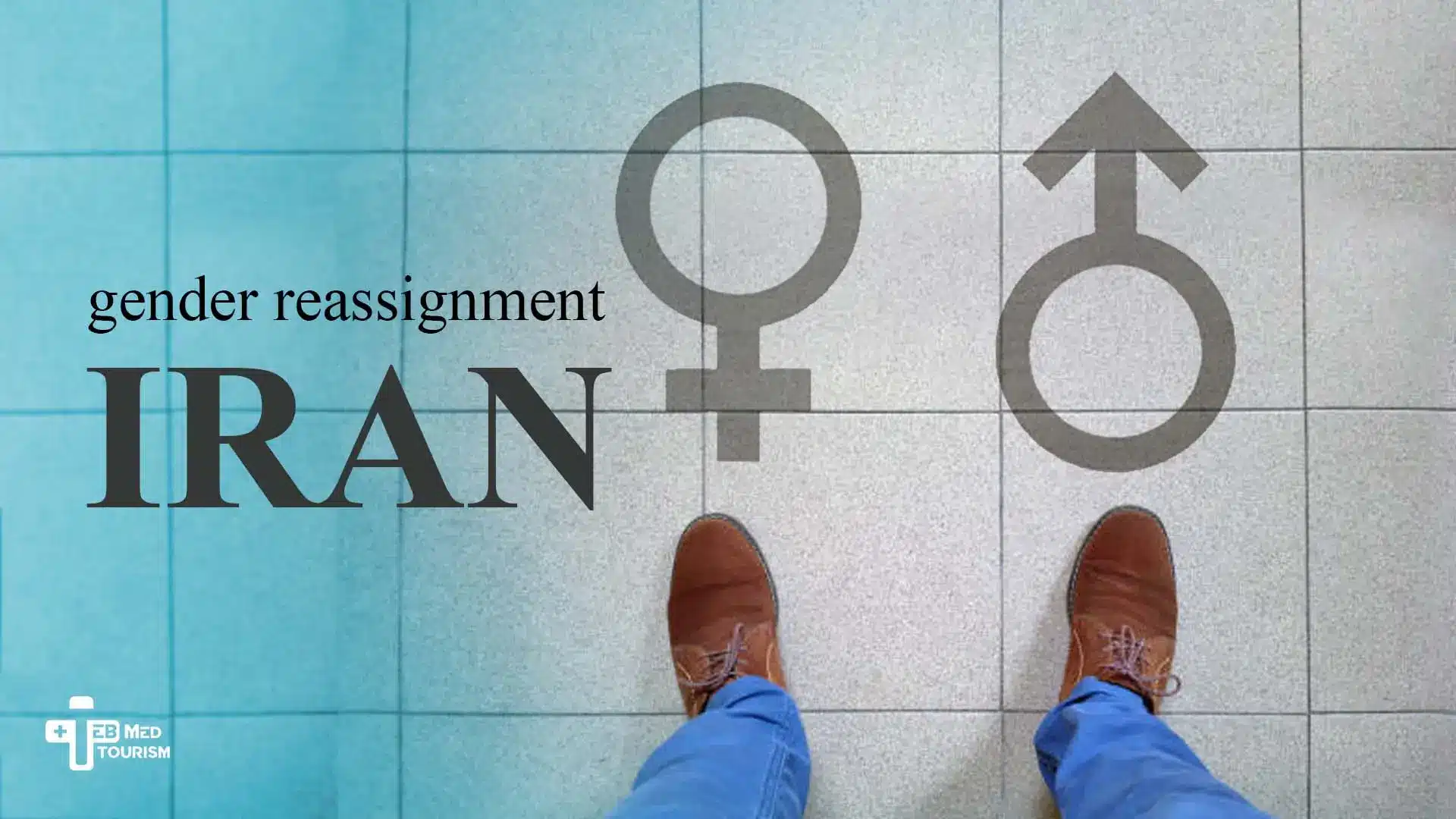
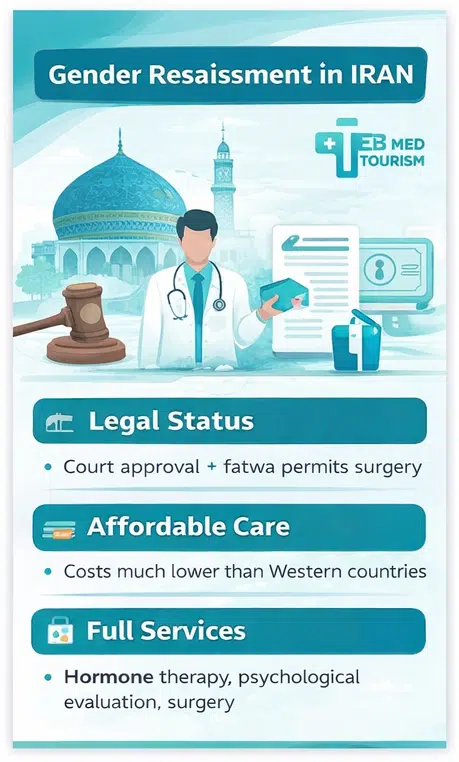
Gender reassignment in Iran and the subsequent legal recognition of an individual’s gender following surgery are permitted by a religious ruling known as a fatwa. After receiving court approval, a person who receives gender-affirming treatment may modify their name and gender on official documents under this system.
By combining distinct legal cultural and medical factors gender reassignment in Iran has become one of the most talked-about issues in transgender healthcare worldwide.
The country’s relatively low surgical costs—often much lower than in Western countries—and comprehensive range of transition services from hormone therapy and psychological evaluation to genital reconstruction draw both domestic patients and medical tourists seeking gender reassignment surgery in Iran.
What is Gender Reassignment Surgery?
Gender reassignment surgery, usually referred to as sex reassignment surgery (SRS) or confirmation surgery, is the surgical procedure or procedures used to change a transgender or non-binary person’s physical characteristics and functional abilities to match the gender they identify with.
Gender dysphoria, also known as gender identity disorder, is a condition in which patients do not recognize their gender (sexual identity) as matching their genetic and sexual characteristics. The most effective treatment for this condition is gender reassignment in Iran, which includes psychotherapy, hormonal therapy, and surgery.
The treatment of gender dysphoria involves a number of intricate genital and nongenital surgical procedures known as gender reassignment surgery. The mainstays of gender reassignment in Iran are genital procedures used to treat gender dysphoria, including vaginoplasty, clitorolabioplasty, penectomy, and orchidectomy for sex reassignment male to female in Iran and penile and scrotal reconstruction for sex reassignment female to male in Iran for candidates.
Some patients planning gender reassignment in Iran may also explore gender selection in Iran and fertility options like ICSI in Iran for preserving reproductive potential before surgery.

Is Gender Reassignment Legal in Iran?
Iran is the only Islamic country where the sex reassignment surgery (SRS) is recognized. Many European citizens travel to this Middle East country for gender confirmation and reassignment surgery.
Although it is legal, gender reassignment in Iran is a very complicated and regulated process. A 1987 religious ruling in Iran permits gender reassignment, allowing people to legally change their name and gender on official documents and have gender-affirming surgery after obtaining court approval.
Before being authorized for surgery, candidates must pass rigorous medical and psychological tests that demonstrate ongoing gender dysphoria. Although Iran’s legal system permits gender reassignment in Iran as a medical treatment, transgender people still have to deal with discrimination, stigma, and a lack of social and legal protections.
In Iranian society the perception and experience of gender transition are still influenced by legal restrictions on non-binary identities and more general legal restrictions on sexual orientation.
You may also want to learn about transition with fertility preservation options like IVF in Iran, egg donation in Iran, and sperm donation in Iran.
Who is gender reassignment surgery recommended for?
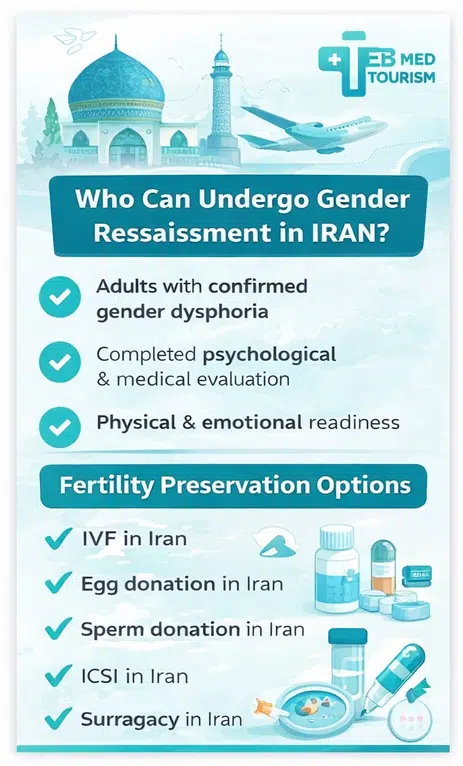
People who have not received a confirmed gender dysphoria diagnosis. Gender reassignment in Iran is not considered acceptable unless a licensed mental health professional has officially diagnosed the individual.
Sex reassignment in Iran, also known as sex reassignment, is usually considered for those who have undergone extensive psychological and medical testing and been diagnosed by a licensed mental health professional.
In Iran adults who have undergone hormone therapy and have lived in their affirmed gender role for a while are usually the candidates for sex reassignment surgery in Iran when medically appropriate.
This covers the procedures for both sex reassignment female to male in Iran and sex reassignment male to female in Iran. Only after non-surgical methods have failed to relieve the patient’s discomfort and the patient is both physically and emotionally prepared for long-term medical procedures is surgery recommended.
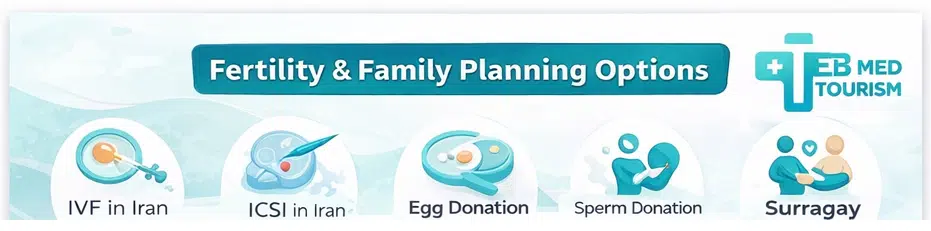
Some patients may combine this process with infertility treatment in Iran, IVF in Iran, or even surrogacy in Iran to ensure fertility options are preserved.
Who cannot undergo gender reassignment surgery?
Gender change in Iran is not suitable for individualsn with the following conditions:
- Individuals with no verified diagnosis of gender dysphoria. Only the individuals who have been officially diagnosed by a licensed mental health professional are eligible for gender reassignment in Iran.
- Mental health conditions that are unstable or untreated. Patients with severe or untreated psychological disorders should delay surgery until their condition has stabilized.
- Health Issues Increasing the Risk of Surgery. Patients with severe psychological disorders or those who have not received treatment may be advised to postpone surgery until their condition has stabilized.
- Incomplete prerequisites for surgery. Patients with severe psychological disorders or those who have not received treatment may be advised to postpone surgery until their condition has stabilized.
- Age limitations. Ordinarily minors are not eligible unless certain legal and medical requirements are met.
- Insufficient voluntary and informed consent. Sex reassignment surgery in Iran should not be performed on people who are under pressure or who are not fully aware of its permanent nature.
Different gender reassignment groups
Different gender reassignment groups refer to people who experience gender differently and may seek social, legal, or medical transition. These include people who identify as agender non-binary and gender-diverse transgender men and women etc. Not everyone opts for medical or surgical reassignment and each group has different needs. Lets take a look at these groups of people who have changed their gender.
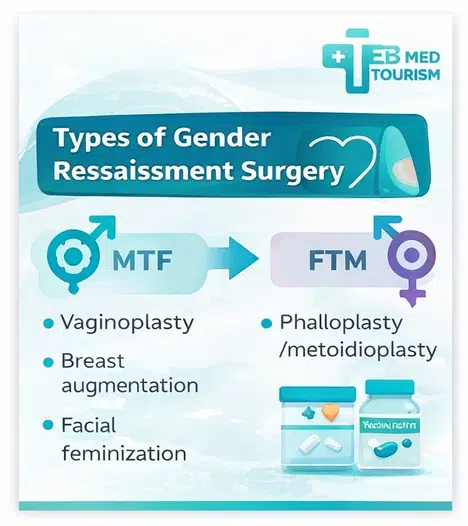
Transgender women (MTF – male to female)
Those who identify and live as women but were assigned male at birth. Regarding their voice body or how other people see them they might suffer from gender dysphoria. Others prioritize social transition while others seek hormone therapy (testosterone estrogen) and/or surgery. It’s their identity not protocols that defines their womanhood.
Transgender men (FTM – female to male)
People who were assigned female at birth but identify and live as men.
They may seek testosterone therapy, chest surgery, or other gender-affirming care, but again, not all do. Many describe relief and confidence as their appearance, voice, or social role aligns more closely with their identity.
Mentally neutral (Non-binary people)
People whose gender identity doesn’t fit strictly into “male” or “female.”
Some feel like a mix of genders, some feel outside gender entirely, and others feel their gender is neutral or undefined. Their presentation can be masculine, feminine, both, or neither. Some pursue medical transition in customized ways; others don’t want any physical changes.
Genderqueer
An umbrella term for people who intentionally reject traditional gender categories.
It has a more political or expressive meaning stressing freedom defiance of convention or fluidity but it frequently overlaps with non-binary. Gender expression may be experimental or unconventional.
Gender-fluid people
Gender-fluid people have a gender identity that changes over time. They may feel more masculine on some days, more feminine on others, or something else entirely. These shifts are real and internal, not just changes in mood or clothing. Some adjust pronouns or presentation depending on how they feel.
Physically neutral
People who feel they do not have a gender. They may feel disconnected from gender concepts altogether or feel neutral toward them. Many people avoid gender cues when presenting and some people prefer to use very little gendered language. Particularly when it comes to being pushed into gendered roles dysphoria can still occur.
Intersex people
People born with sex characteristics (chromosomes, hormones, anatomy) that don’t fit typical male or female definitions. Intersex is about biology, not identity. There are intersex individuals who identify as non-binary transgender or cisgender. Many people had non-consensual surgeries in the past but today there is a greater focus on informed choice and bodily autonomy.
Cisgender people (for contrast)
Individuals whose sex at birth corresponds with their gender identity. Although they might still question or investigate gender expression they usually do not suffer from sex-related gender dysphoria.
Required Documents for Gender Reassignment Surgery in Iran
Gener reassignment in Iran is a combination of legal, medical, and psychological steps, not just scheduling surgery at a hospital. In th following, there is a required list of documents and legal prerequisites for sex reassignment surgery in Iran:
1. Personal Identification Documents
The person who requests gender transformation in Iran, must have valid, up-to-date official identity documents. These documents are required as basic proof of identity in all legal steps including court filings, forensic exams, and official certificates:
- National identity card
- Birth identity booklet
2. Medical Certificates
Before legal approval and surgery:
- Physician’s Evaluation: A formal letter or certificate from your treating physician attesting to your ongoing gender dysphoria your completion of the necessary medical testing and your awareness of the risks and consequences. This is frequently required in order to start legal action.
To begin legal proceedings: - Psychological / Psychiatric Assessments: Many times it is necessary (some courts and clinics will require it). A letter or two attesting to gender dysphoria and transition readiness from a licensed mental health practitioner (psychiatrist or psychologist with experience in gender-related care). The report might discuss the surgical recommendation diagnosis counseling sessions and more.
3. Court Petition / Legal Request
You must submit a formal application/request to the Family Court asking for three things as follows:
- Permission to undergo gender reassignment surgery
- Legal recognition of the new gender
- Change of name and gender marker on identity documents
4. Forensic Medical Organization Certificate
In many cases, the court refers you to the Legal Medicine Organization of Iran:
There professionals review medical records and sometimes conduct examinations. They give the court a report attesting to their eligibility and medical need. This step is often mandatory before the court issues permission
5. Age and Consent Requirements
You must be over 18 (legal adulthood) to file independently. Parental approval or the involvement of a legal guardian is typically necessary for minors.
Some candidates interested in gender reassignment in Iran may also consult specialists for kidney transplant in Iran or pregnancy after kidney transplantation if they have underlying medical conditions affecting fertility or overall health.
Necessary care before and after gender reassignment surgery
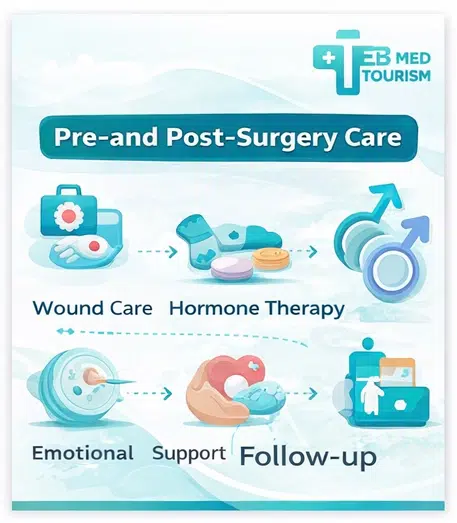
Proper care before and after gender reassignment surgery in Iran is essential for a safe procedure a speedier recovery and long-term satisfaction. In addition to following hormone therapy instructions and considering fertility preservation methods like freezing sperm or eggs patients should undergo psychological and medical evaluations before surgery.
Surgical risks can also be decreased by leading a healthy lifestyle quitting smoking and following pre-operative instructions. To prevent infection and track healing after surgery meticulous wound care pain management and routine follow-up appointments are essential.
Various post-operative procedures are necessary depending on the type of surgery. For example trans women must regularly dilate their vagina and trans men must monitor their graft sites and implants. Since mental health has a major impact on recovery and general transition satisfaction emotional support via counseling or support groups is equally crucial.
Non-Surgical Options in the Gender Transition Process
In addition to surgeries like phalloplasty or facial feminization transgender-affirmative healthcare also involves a number of non-surgical procedures. These can include voice therapy hormone therapy hair removal mental health counseling and other supportive interventions some of these can be provided through telehealth.
Transgender and gender nonconforming people need access to non-surgical care in order to live happy healthy lives. Not everyone selects every option depending on their needs many people seek a mix of non-surgical and surgical care.
Types of Gender Reassignment Surgeries and Their Stages
Gender reassignment (gender-affirming) surgery includes several different procedures, and many of them happen in stages rather than all at once. The exact pathway depends on the person’s goals, anatomy, and medical plan.
Here’s a clear overview of the main types and their typical stages:
Male-to-Female Transition
It entails coordinating ones life and body with ones female gender identity. Depending on personal objectives it typically incorporates social hormonal and surgical steps. Change from Female to Male.
Female-to-Male Transition
A female-to-male transition involves aligning a person’s body and life with a male gender identity. Depending on the individuals objectives it usually consists of social hormonal and surgical steps.
Hormone therapy and gender reassignment
Hormone therapy also lessens gender dysphoria which enhances mental health and gets the body ready for surgery. Safety and efficacy are guaranteed by routine medical supervision.
For male-to-female (MTF), breast growth is encouraged skin is softer muscle is lost and testosterone is decreased by estrogen and anti-androgens. Sperm freezing is frequently advised because sexual changes include softer or fewer erections changed orgasms and decreased fertility.
For female-to-male (FTM), testosterone deepens the voice, increases muscle, promotes body hair, and stops menstruation. Libido usually rises, orgasms may feel stronger, and fertility may decrease, though pregnancy is still possible if the uterus and ovaries remain.
Hormone therapy also prepares the body for surgery and improves mental well-being by reducing gender dysphoria. Regular medical supervision ensures safety and effectiveness.
Differences between gender reassignment surgery for women and men
The anatomy surgical complexity objectives and recovery of gender reassignment surgeries for trans women and trans men differ significantly. Each pathway uses different techniques to create genital structures that align with a person’s gender identity. Let’s provide a clear comparison in the following:
Direction of Transition
“Direction of transition” in gender reassignment surgery refers to which sex characteristics a person is moving from and toward. There are two main pathways:
- Trans women (male → female): Sex reassignment male to female in Iran creates a vulva and vaginal canal from existing genital tissue.
- Trans men (female → male): Sex reassignment female to male in Iran creates a penis and scrotum using hormonally enlarged tissue or grafts from other body areas.
Key Differences between gender reassignment surgery for women and men
Aspect | Transgender Women (MTF) | Transgender Men (FTM) |
Primary genital surgery | Vaginoplasty | Phalloplasty or metoidioplasty |
Hormones used | Estrogen + anti-androgens | Testosterone |
Chest surgery | Optional breast augmentation | Mastectomy / top surgery |
Complexity | Often single-stage neovagina | Often multi-stage neophallu |
Facial/body surgery | Facial feminization, body contouring | Sometimes facial masculinization, chest contouring |
Urinary considerations | Creating functional urethra in neovagina | Urethral lengthening in phalloplasty/metoidioplasty |
How long does gender reassignment surgery take?
Depending on the procedure type the patients objectives and whether more than one surgery is planned gender reassignment surgery can take a variety of lengths.
While genital reconstruction procedures like vaginoplasty or phalloplasty can take several hours or even several sessions other procedures like chest reconstruction or facial feminization/masculinization may only take a few hours. Depending on the procedure and the patients health a full recovery may take weeks to months. Repeat visits are necessary to track healing and avoid complications.
In addition to preparing the body for surgery hormone therapy enhances mental health by lessening gender dysphoria. Consistent medical supervision guarantees efficacy and safety. distinctions between male and female gender reassignment surgery. Trans womens and trans mens gender reassignment (gender-affirming) surgeries differ primarily in anatomy surgical complexity objectives and recovery.
Complications of Gender Reassignment Surgery in Men and Women
Although some transgender and non-binary people choose to socially change their gender without altering their bodies or using hormone therapy alone many opt for surgery in order to reduce dysphoria and help their bodies match their identities.
While some of these procedures are more akin to major invasive surgeries others are smaller and fall under the category of minor plastic surgery. It is crucial to keep in mind that there is no one correct way to identify as transgender or non-binary and that various patients may have undergone some all or none of these processes.
Furthermore there is no set sequence in which these procedures need to be performed and many transgender people decide not to have any of these procedures done at all.
Its crucial to realize that there is no such thing as a complete transgender person and that your patients identities are not always connected to their present bodies or genitalia or their intentions to alter them.
Complications of Gender Reassignment Surgery in Transgender Women (MTF – Male to Female)
Transgender women may undergo surgeries such as vaginoplasty orchiectomy breast augmentation and facial feminization. There are possible risks associated with each procedure as follows:
- Vaginal stenosis: If post-operative dilation is not maintained the neovagina may shorten or narrow making it challenging to perform medical exams or engage in sexual activity.
- Infections and delayed wound healing: Certain wounds may heal slowly and surgical sites may become infected particularly if aftercare or hygiene guidelines are not followed.
- Urinary complications: Some patients may experience strictures incontinence or difficulty urinating following vaginoplasty.
- Fistula formation: In rare cases the urethra or vagina may form aberrant connections with surrounding tissues necessitating further surgery.
- Breast augmentation complications: Additional procedures may be required if implants shift harden (capsular contracture) or become infected.
- Facial feminization surgery risks: Asymmetry bruising swelling numbness either temporary or permanent or discontent with ones appearance can all happen.
- General surgical risks: These include complications from anesthesia blood clots bleeding and delayed recuperation.
Sex after Gender Reassignment Surgery
Individual healing and comfort the type of transition (social hormonal or surgical) and the patient all influence sex following gender reassignment surgery. An outline is provided here:
After Hormone Therapy (No Surgery)
Hormone therapy (often called HRT — hormone replacement therapy) changes the body gradually, and that can affect sex drive, arousal, and sexual experience. These effects differ between people and usually evolve over months to years.
After Gender-Affirming Surgery
The type of surgery healing nerve recovery and personal comfort all affect sex following gender-affirming surgery. Doctors typically advise against having sex until tissues have completely healed.
Can You Have Children After Gender Reassignment Surgery?
Yes but it will depend on whether your reproductive organs were preserved beforehand and any treatments or surgeries youve had.
Whether you can have children after gender reassignment surgery in Iran depends mainly on wheather your reproductive organs removed or preserved?
In many cases, genital surgery involves removal of organs needed for natural reproduction, which usually means biological fertility is no longer possible afterward.
Fertility and sexual health are crucial considerations during and after gender-affirming transition because hormones and surgeries can sometimes have a permanent effect on ones capacity to procreate.
How Much Does Gender Reassignment Surgery Cost in Iran?
Although it varies based on the procedure surgeon hospital and number of stages needed, the cost of gender reassignment surgery in Iran is typically far less expensive in than in many Western countries.
The average cost of sex reassignment male to female in Iran is about $6,000 – $7,000 USD. The sex reassignment female to male in Iran is about $7,000 – $10,000 USD (can be higher with additional stages).
Some packages or government hospitals may advertise prices as low as $4,500 or under $12,000 total for certain cases.
Gender reassignment in Iran is not only medically advanced and legally acceptable but it is also very accessible thanks to specialized medical tourism services.
For patients from other countries TebMedTourism makes this process easier by matching them with certified surgeons handling medical and legal paperwork setting up hospital stays and offering complete transition assistance.
Under their supervision patients can undergo gender reassignment in Iran with safety effectiveness and affordable all-inclusive care all along with fee consultation.
Conclusion
Gender reassignment surgery in Iran is a delicate and complicated subject, with multiple medical, psychological, legal, and social stages involved. This Surgery gende can be performed if a specialist psychiatrist confirms it, and according to Iranian law, gender reassignment surgery in Iran is also entirely permitted.
Selecting a specialized medical team assessing the patients’ psychological and social preparedness and providing postoperative care guarantees a highly satisfactory surgical outcome and a life in which the patients’ physical body corresponds with their gender identity.